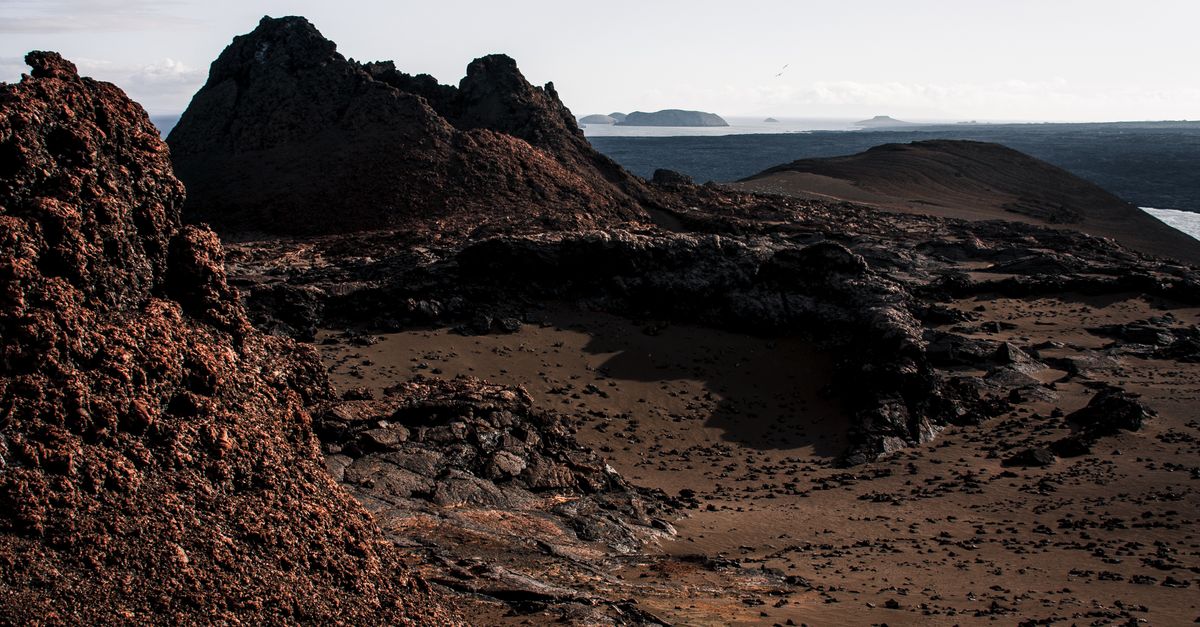
The perfect 10-day Galapagos itinerary is not the one that touches the most islands. It is the one that gives a first-time visitor the best chance to see giant tortoises, sea lions, marine iguanas, volcanic landscapes, clear-water snorkeling, relaxed island towns, and a few unforgettable guided wildlife days without turning every transfer into a stress test.
For most independent travelers, the strongest 10-day route is a land-based island-hopping trip that starts on Santa Cruz, slows down on Isabela, and finishes on San Cristobal. Fly into Baltra for Puerto Ayora, spend three nights on Santa Cruz, move to Puerto Villamil for three nights on Isabela, then finish with three nights in Puerto Baquerizo Moreno on San Cristobal before flying back to mainland Ecuador. That sequence keeps the big experiences close to the towns where you sleep, uses the islands with the best visitor infrastructure, and leaves enough flexibility for weather, boat timing, tour availability, and human energy.
The Short Version For A First Galapagos Trip
If you only remember one plan, make it this: arrive in mainland Ecuador at least one night before your Galapagos flight, fly to Baltra, sleep first in Puerto Ayora, use Santa Cruz for the highlands and a serious day trip, move to Puerto Villamil for Isabela’s slower wildlife and volcanic landscape, then finish on San Cristobal for Kicker Rock, sea lions, and a simpler airport exit. Ten days is enough to make the trip feel complete, but not so much time that the itinerary becomes a parade of half-days in transit.
The route below is written for a traveler who wants a broad first look rather than a niche expedition. It prioritizes three inhabited islands, because those are the easiest to arrange independently and the least likely to trap you in a fragile schedule. It also assumes you are comfortable with small-boat transfers, guided tours, early starts, and water-based days. If you are highly prone to seasickness, traveling with very young children, or hoping to avoid logistics almost entirely, the cruise or hybrid version later in this guide may be the better fit.
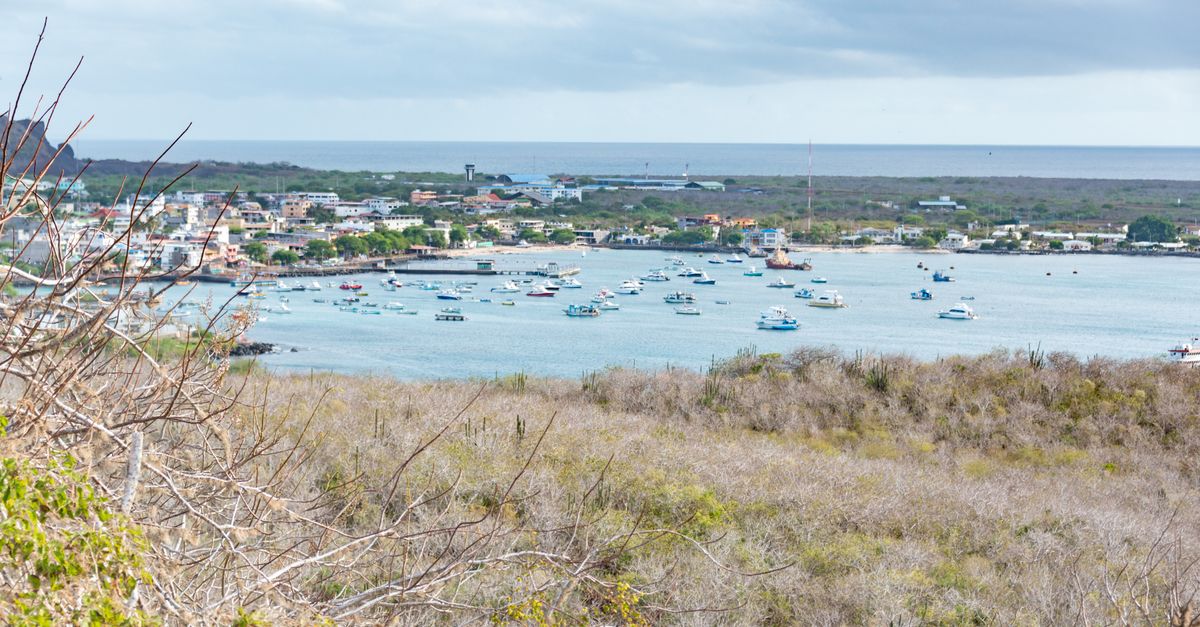
A 10-Day Route Table You Can Actually Book
Use this table as the backbone. The exact tour names change by operator, season, and park scheduling, but the rhythm is the important part: a gentle arrival, one or two anchor experiences per island, transfer buffers, and a final night on the island where you fly out.
| Day | Sleep | Main plan | Why it works |
|---|---|---|---|
| 1 | Puerto Ayora, Santa Cruz | Fly from Quito or Guayaquil to Baltra, complete arrival formalities, transfer across the Itabaca Channel to Santa Cruz, and keep the evening easy along the Puerto Ayora waterfront. | The first day protects the trip from flight delays and lets you settle before committing to a demanding tour. |
| 2 | Puerto Ayora, Santa Cruz | Visit the Santa Cruz highlands for giant tortoises and lava tubes, then add the Charles Darwin Research Station or a calm afternoon in town. | This gives the first full wildlife day without requiring a long boat ride right away. |
| 3 | Puerto Ayora, Santa Cruz | Book one major guided day trip such as North Seymour, Bartolome, Santa Fe, South Plaza, or a bay-and-snorkel plan based on availability and wildlife priorities. | Santa Cruz has the widest range of day-tour options, so it is the best place to spend one flexible anchor day. |
| 4 | Puerto Villamil, Isabela | Take the morning inter-island boat or a small-plane transfer to Isabela, then use the afternoon for Concha de Perla, the beach, or the wetlands trail. | The day gives Isabela breathing room instead of treating the transfer as dead time. |
| 5 | Puerto Villamil, Isabela | Make this the Los Tuneles or Tintoreras snorkeling day, with a dry backup such as the Tortoise Center and Villamil Lagoons if the sea plan changes. | Isabela is where the itinerary starts to feel wild and slow at the same time. |
| 6 | Puerto Villamil, Isabela | Hike Sierra Negra, ride or walk toward the Wall of Tears, or keep the morning active and the afternoon open for beach time. | A volcano-and-lagoon day balances the water-heavy parts of the route. |
| 7 | Puerto Baquerizo Moreno, San Cristobal arrival night | Transfer from Isabela through Santa Cruz to San Cristobal, or choose the small-plane option if it fits budget and availability. | This is the most fragile movement day, so it deserves a real transfer buffer. |
| 8 | Puerto Baquerizo Moreno, San Cristobal water-day base | Choose Kicker Rock, a San Cristobal 360-style coastal tour, or a serious snorkel day with an authorized operator. | San Cristobal is one of the strongest finales because the wildlife begins right around town and the water days can be excellent. |
| 9 | Puerto Baquerizo Moreno, San Cristobal final full night | Keep a flexible final full day for La Loberia, Cerro Tijeretas, the Interpretation Center, Puerto Chino, a beach plan, or a second guided water day. | The last full day should be memorable but not so rigid that a missed tour harms the flight home. |
| 10 | Outbound day from San Cristobal | Take a short airport transfer, fly back to Quito or Guayaquil, and avoid tight international connections on the same day whenever possible. | A clean exit island reduces backtracking and leaves margin for domestic schedule changes. |
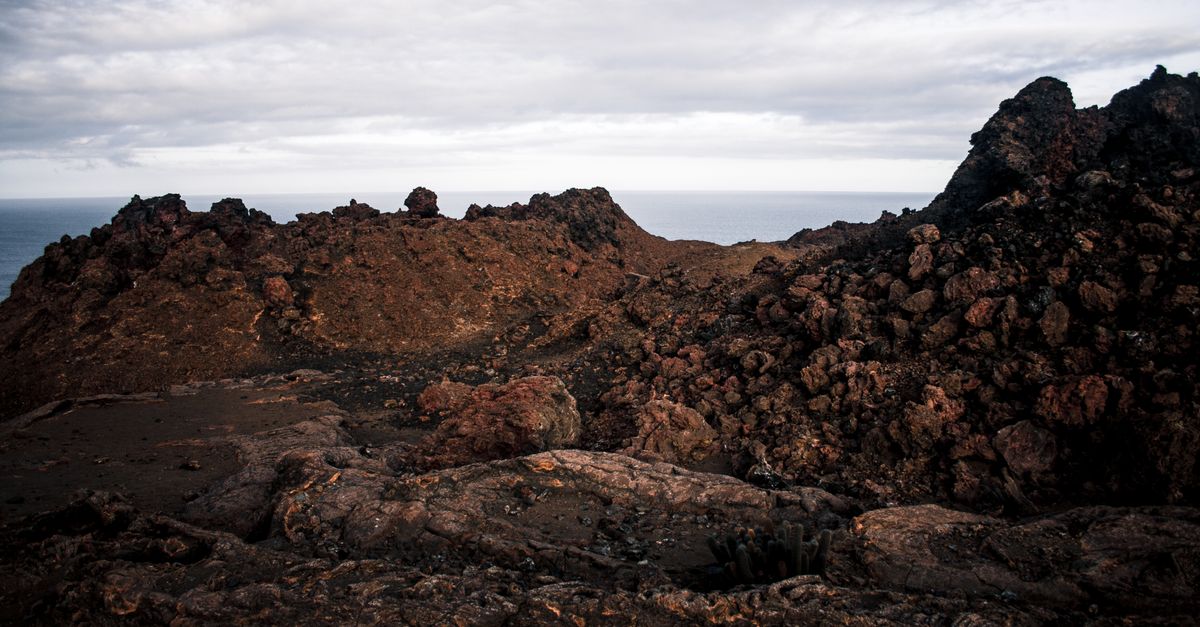
Why This Island Order Works
Santa Cruz first is practical, not just popular. Baltra is one of the main arrival airports, Puerto Ayora has the largest spread of lodging and restaurants, and Santa Cruz gives you the easiest first encounter with the Galapagos rhythm: airport bus, channel crossing, highland roads, marine iguanas on the pavement, water taxis, day-tour docks, and evenings where the town itself becomes part of the trip. It is also the island where a delayed bag, a missed connection, or a tour reshuffle is easiest to absorb.
Isabela in the middle changes the pace. Puerto Villamil is smaller, sandier, and less urban than Puerto Ayora, and that slower feeling is exactly why it belongs in a 10-day itinerary. You come for Los Tuneles or Tintoreras, the wetland trails, the Tortoise Center, the beach, and Sierra Negra, but you also come because Isabela gives the trip space. A first Galapagos route that skips Isabela can still be excellent, especially on a cruise, but a land-based 10-day route usually feels less complete without it.
San Cristobal last gives the trip a strong finish and a cleaner departure. Puerto Baquerizo Moreno has an airport close to town, sea lions on the waterfront, easy independent walks, and high-value guided water days. Ending here means you do not need to return all the way to Santa Cruz before leaving the islands. That saves emotional energy at the exact point in the trip when people are most likely to be sun-tired, photo-full, and ready for logistics to be simple.
How To Fly To The Galapagos
International travelers first fly to mainland Ecuador, usually Quito or Guayaquil, then take a domestic Galapagos flight to either Baltra, the airport used for Santa Cruz, or San Cristobal. The Galapagos National Park arrival page describes the Quito and Guayaquil pre-flight process and the two arrival points of Baltra and San Cristobal, including the follow-on transfers to Puerto Ayora and Puerto Baquerizo Moreno. For this itinerary, the cleanest routing is into Baltra and out of San Cristobal, because it avoids backtracking at the end.
Do not schedule an international arrival and a Galapagos flight on the same tight morning unless you have a very high tolerance for risk. Galapagos flights involve extra steps before airline check-in, including the Transit Control Card process and biosecurity inspection. A late international flight, a long immigration line, or a luggage issue can become expensive quickly if it causes you to miss the domestic leg. A calmer plan is to sleep in Quito or Guayaquil the night before and treat the Galapagos flight as the start of the island trip rather than the tail end of a long-haul scramble.
Baltra to Puerto Ayora is a small journey of its own. The park arrival guidance explains the airport bus to the Itabaca Channel, the barge crossing to Santa Cruz, and then the bus or taxi ride south to Puerto Ayora. San Cristobal is easier on arrival or departure because the airport is close to Puerto Baquerizo Moreno. That difference is one reason this guide starts at Baltra but ends on San Cristobal: you handle the longer transfer when you are fresh and finish with the simpler airport day.
Entry Fees, TCT, And Arrival Checks
Before boarding the Galapagos flight from mainland Ecuador, travelers need the Transit Control Card, usually called the TCT. The Galapagos Government TCT FAQ describes the TCT as mandatory for people visiting the province, lists a US $20 payment, and notes that tourists need valid identification, a personal round-trip air ticket between the mainland and Galapagos, and available tourist days. It also states that tourists may stay up to 60 days in the year, counted from the first entry, which is far beyond this 10-day itinerary but still useful to know.
On arrival in Baltra or San Cristobal, visitors pay the conservation entry fee. The Galapagos National Park arrival page states that, from August 1, 2024, the fee table lists US $200 for foreign visitors over 12 and US $100 for foreign visitors under 12, with different tiers for CAN and Mercosur nationals, Ecuadorian nationals and residents, students, seniors, and other categories. Because payment rules and processing details can change, bring clean cash and verify the current process shortly before travel.
The same arrival guidance also explains the biosecurity checks designed to prevent the introduction of invasive species. This matters more than many first-time visitors expect. Fruit, seeds, plant material, and certain organic products can create real ecological problems in an isolated archipelago, so pack clean shoes, avoid carrying fresh food between islands, and expect inspections before Galapagos flights and inter-island movements. The goal is not airport theater; it is part of protecting the thing you came to see.
Where To Stay On Santa Cruz, Isabela, And San Cristobal
For a first trip, choose lodging by island function rather than by the prettiest isolated photo. In the Galapagos, being close to the pier, the tour meeting point, restaurants, pharmacies, and early-morning pickup locations can matter more than a dramatic view. This is especially true if you are traveling without a cruise, because each town becomes your operations base.
| Base | Best fit | Lodging notes | Tradeoff to accept |
|---|---|---|---|
| Puerto Ayora, Santa Cruz | First arrivals, broad restaurant choice, day tours, highlands, Charles Darwin Research Station, and travelers who want the easiest logistics. | Stay within a comfortable walk or short taxi ride of the waterfront if you have early tours. Boutique hotels, simple guesthouses, and higher-end waterfront stays all exist here. | It is the busiest-feeling base, so choose carefully if you want silence and a slow-island mood. |
| Puerto Villamil, Isabela | Beach time, Los Tuneles or Tintoreras, wetlands, Sierra Negra, and travelers who want the trip to slow down. | Stay near town and the beach rather than chasing isolation. The small scale is part of the charm, but it also means fewer backup restaurants and fewer late-night services. | Tours and transfers are more limited than Santa Cruz, so book key days earlier and keep one flexible slot. |
| Puerto Baquerizo Moreno, San Cristobal | Kicker Rock, La Loberia, Cerro Tijeretas, sea lions near town, and the simplest departure airport experience. | A central stay near the waterfront works well because many easy walks and tour offices are close together. This is a good place to finish with less friction. | It is not as broad a day-tour hub as Puerto Ayora, so choose the main water day before arrival. |
The best Galapagos hotel is often the one that protects the next morning. If a tour meets at 6:45, if the pier is a ten-minute walk, if breakfast starts early enough, and if reception can help with taxis or luggage, the stay is already doing useful work. A remote romantic property can still be worth it, but only if you understand the cost in time, meals, and movement. Marvel Travel has a broader hotel-planning framework in Choose Hotel Location Before Chasing The Lowest Price, and that logic applies very directly here.
Days 1-3: Santa Cruz Without Rushing The First Wildlife Hit
Day 1: Baltra Arrival, Puerto Ayora, And A Low-Pressure Evening
Day 1 is a logistics day with a reward at the end. After the mainland flight, TCT check, conservation fee, and Baltra-to-Puerto Ayora transfer, resist the urge to book something ambitious. Walk the waterfront, watch the harbor, find dinner, check tomorrow’s pickup details, and get your bearings. The Galapagos often delivers wildlife immediately, but the first evening is not the time to force the trip to perform.
If your arrival is early and everything goes smoothly, add the Charles Darwin Research Station area or a gentle town walk, but keep the commitment light. The first night is where travelers discover whether luggage arrived, cards work, sunscreen was packed, and sleep is needed. A calm first evening makes Day 2 better. For the same reason, avoid stacking a prepaid dawn boat tour on the morning after a late island arrival.
Day 2: Santa Cruz Highlands And The Research Station
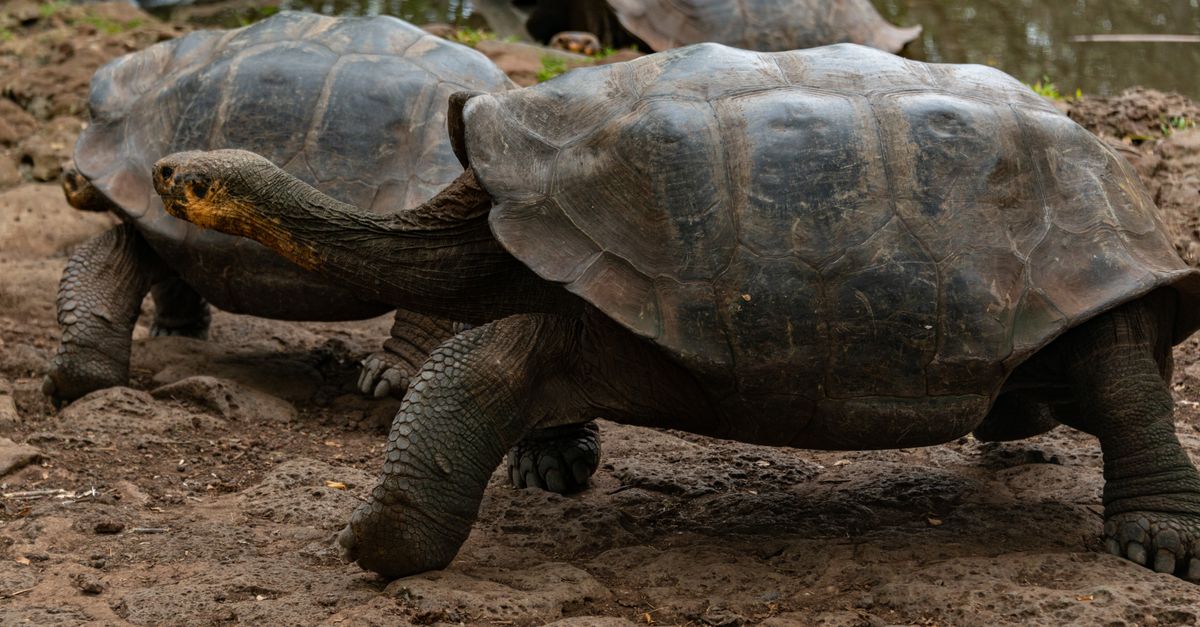
Use Day 2 for Santa Cruz’s land story. The Galapagos Conservancy Santa Cruz guide describes Puerto Ayora as a major base for travelers and notes nearby highland access, lava tubes, the Charles Darwin Research Station, and the Fausto Llerena Tortoise Center. A strong day pairs the highlands, where giant tortoises roam in wetter landscapes, with the research station or visitor center context back near town. It gives the animals, science, and volcanic setting a frame before you spend days mostly on the water.
This is also the day to learn the pace of guided interpretation in the islands. A good guide does more than point at animals. They explain why visitors keep distance, why trail rules exist, why some tortoises are in breeding programs, why invasive species matter, and why the islands are managed so carefully. That context will make the rest of the itinerary feel less like a checklist and more like a coherent place.
Day 3: A Santa Cruz Day Trip With A Real Wildlife Anchor
Make Day 3 your first big guided day trip. The best choice depends on permits, seas, season, and availability, so do not treat a single island name as mandatory. North Seymour is often discussed for birds and land wildlife, Bartolome for iconic volcanic scenery, Santa Fe for snorkeling and a compact island experience, South Plaza for wildlife and landscape, and various bay or beach plans for a lighter day. The correct choice is the one that matches your wildlife priorities and the conditions your operator can actually confirm.
Ask three questions before choosing the day trip: how long is the boat time, what is the landing or snorkeling difficulty, and what is most likely to be seen at that time of year. If the traveler in your group most excited about Galapagos wildlife hates rough water, the longest boat day may not be the best first anchor. If photography is the priority, ask about time on land and light. If snorkeling is the priority, ask about water temperature, wetsuit availability, and currents. The best tour is not only the most famous one; it is the one that works for your actual group.
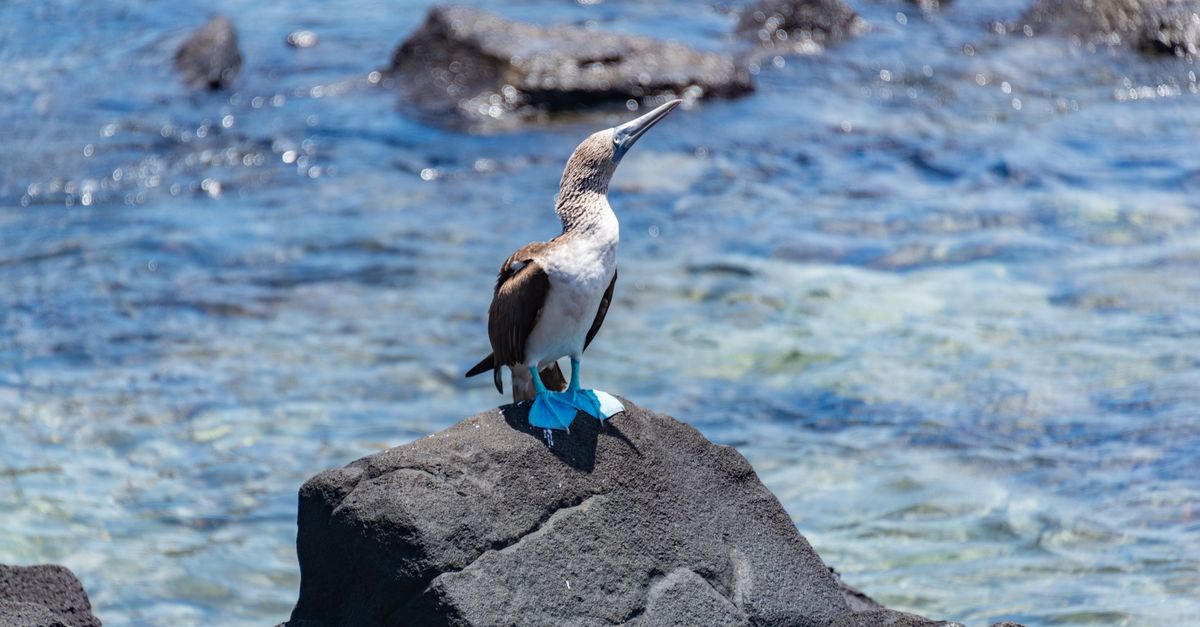
Days 4-6: Isabela For Volcanoes, Tunnels, Lagoons, And Space To Breathe
Day 4: Transfer To Puerto Villamil And Let Isabela Slow The Trip Down
The Santa Cruz to Isabela move is the first moment where the itinerary needs humility. Inter-island boats are weather-sensitive, schedules can feel early, and travelers who do badly on choppy water may prefer the small-plane option if available and affordable. Build Day 4 around the transfer, not around a fantasy that you will be operating at full power by noon. Once in Puerto Villamil, check in, walk the beach, and use the afternoon for Concha de Perla, the wetlands, or a simple town meal.
This is the mental reset of the route. Santa Cruz has the widest logistics and tour menu; Isabela has a more elemental feel. Roads are quieter, the beach is longer, and the town asks less of you. That is why three nights matter. If you only give Isabela one or two nights, a delayed boat or canceled water tour can swallow the island. With three nights, the place gets a fair chance.
Day 5: Los Tuneles, Tintoreras, Or A Water Day With A Dry Plan
Day 5 is the classic Isabela water day. The Charles Darwin Foundation Visit Galapagos page names Tintoreras and Los Tuneles in Isabela among notable snorkel spots, and those are exactly the kinds of experiences that make Isabela feel different from a town-based beach stay anywhere else. Los Tuneles is often the dream choice because of lava formations and marine life, but availability and conditions matter. Tintoreras can be a shorter, easier alternative depending on the traveler.
Keep a dry or lighter plan ready. If the sea day does not operate, the Isabela Tortoise Center, Villamil Lagoons, and beach time still make the day worthwhile. That is not a consolation prize; it is the right way to travel in a protected marine environment where weather and park management get a vote. A strong itinerary does not collapse when one boat does not go. It bends toward the island you are already on.
Day 6: Sierra Negra, Wetlands, And The Wall Of Tears
Use Day 6 to go inland. The Galapagos Conservancy Isabela guide describes Sierra Negra and nearby Volcan Chico as visitor sites connected to Isabela’s volcanic character, and it also describes the Villamil Lagoons, Tortoise Center, Wall of Tears, and Tintoreras as accessible from Puerto Villamil. If you like hiking, Sierra Negra is the obvious anchor. If you prefer a lower-key day, combine the Tortoise Center, wetlands, flamingo viewing possibilities, beach, and the Wall of Tears route.
The point of the day is contrast. After a water-focused day, Isabela’s lava, lagoons, and dry-zone roads give the route depth. You begin to understand that the Galapagos is not a single postcard but a set of ecosystems packed tightly together: humid highlands, dry lowlands, mangroves, lava fields, beaches, and marine edges. That variety is why the trip deserves more than a rushed three-island trophy list.
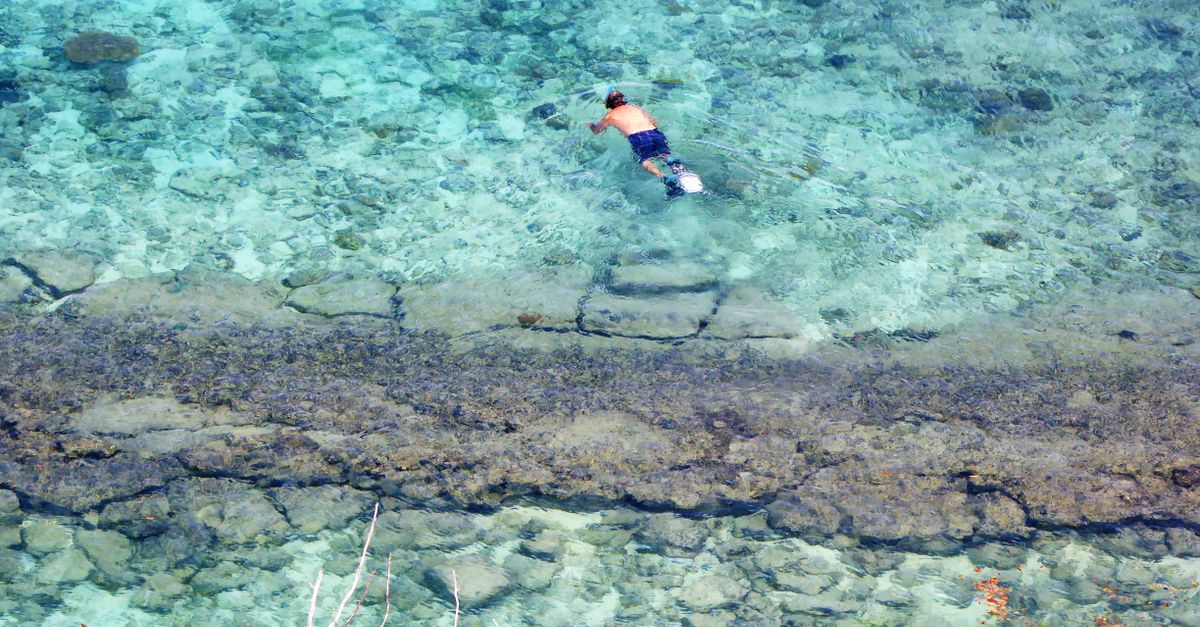
Days 7-10: San Cristobal For Sea Lions, Kicker Rock, And The Cleanest Exit
Day 7: The Big Transfer Day
Day 7 is the itinerary’s least glamorous day, and it needs respect. Getting from Isabela to San Cristobal usually means returning through Santa Cruz by boat connections or choosing an inter-island flight where schedules, baggage rules, and weather allow. Do not schedule a must-do tour on arrival afternoon unless your operator confirms the timing is realistic and you are comfortable with the risk. This is a good place to use the buffer-day thinking from Why Buffer Days Can Save A Practical Trip Plan.
Once in Puerto Baquerizo Moreno, shift into arrival mode again. Walk the waterfront, let the sea lions set the mood, confirm the Kicker Rock or coastal tour plan, and decide how active the final two days should be. San Cristobal is generous because some of its rewards are close to town. You do not have to manufacture a perfect first afternoon after a long transfer.
Day 8: Kicker Rock Or The San Cristobal Water Day
Day 8 is the San Cristobal anchor. Kicker Rock is the famous name, and for many visitors it becomes the most memorable water day of the trip. A 360-style coastal tour can also make sense if you want a broader island circuit with beaches, snorkeling, and coastal scenery. Choose based on ability, comfort in deeper water, conditions, and operator guidance. This is not the moment to exaggerate your confidence in currents or open water just because the photos look extraordinary.
If you are a certified diver, San Cristobal may deserve a more specialized plan, but keep that separate from the default first-trip itinerary. Diving can change the day structure, equipment needs, rest requirements, and budget. For most first-time visitors, one excellent snorkel or water-tour day is enough to make San Cristobal feel like a finale without overwhelming the rest of the trip.
Day 9: La Loberia, Cerro Tijeretas, Puerto Chino, Or A Second Guided Day
Keep the final full day flexible. La Loberia, Cerro Tijeretas, the Interpretation Center, Puerto Chino, town walks, and a second guided water plan can all fit depending on how Day 8 went. The goal is not to squeeze every named place into the final day. The goal is to leave San Cristobal with a strong last impression: sea lions close by, volcanic coastline, clear water if conditions cooperate, and enough breathing room to pack without panic.
This is also the best day for the trip’s quiet images. Not every Galapagos memory is a dramatic animal encounter. Some are the sound of the harbor at dusk, the patience required to give wildlife space, the blue water below a viewpoint, or the way an island town reorganizes your sense of hurry. A complete guide has to leave room for those moments because they are often what people remember after the itinerary names blur.
Day 10: Fly Out From San Cristobal
San Cristobal makes departure mercifully simple compared with a final cross-island transfer. The airport is close to Puerto Baquerizo Moreno, so the morning can be calmer if the flight time cooperates. Still, avoid tight same-day international connections if the budget allows. Domestic schedules, weather, luggage, and mainland traffic can all affect the final leg. If your long-haul flight leaves late at night from Quito or Guayaquil, leave more margin than you think you need.
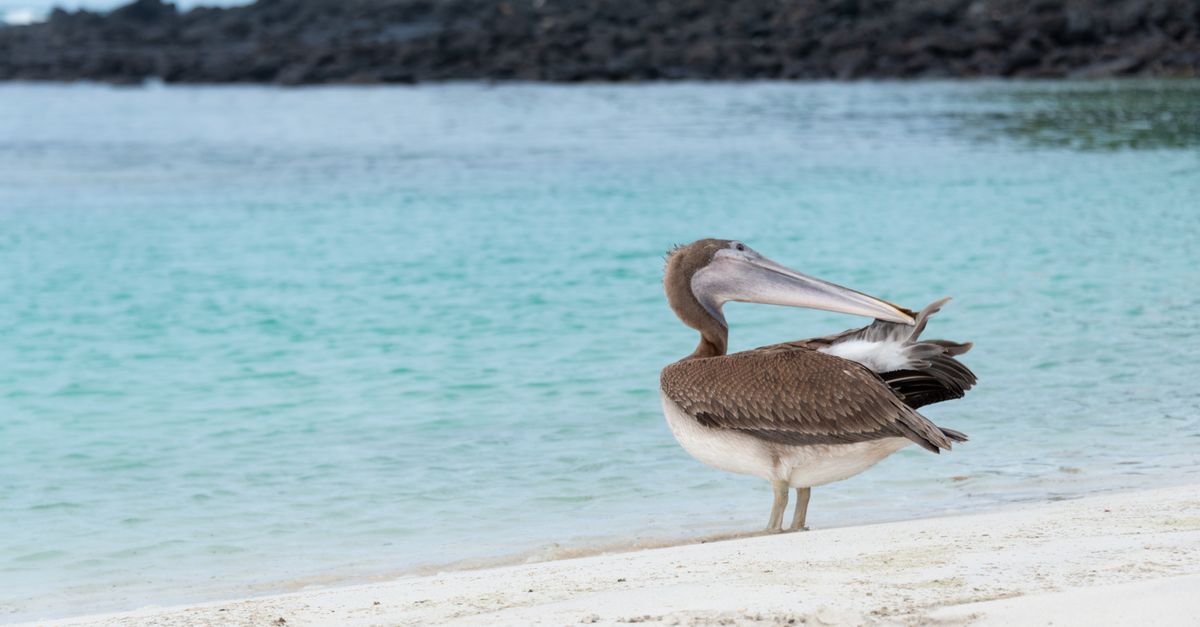
Cruise, Island-Hopping, Or A Hybrid
This guide is built around land-based island hopping, because that is the most flexible way for many independent travelers to spend 10 days and choose lodging, food, and pacing. It is also often easier to adapt for mixed budgets. The tradeoff is that you sleep on the inhabited islands and rely on day tours, so the route cannot reach some remote visitor sites as efficiently as a cruise.
A naturalist cruise can be the better answer if your priority is maximum wildlife access with fewer daily planning decisions. A cruise can move overnight, manage many visitor-site logistics, and bring you to places that are hard or impossible to do well from town bases. The tradeoff is cost, fixed schedule, cabin comfort, seasickness exposure, and less independent time in island towns.
A hybrid can be excellent for 10 to 12 days: take a shorter cruise segment, then add two or three land nights on Santa Cruz or San Cristobal. If you go hybrid, do not simply glue two itineraries together. Let the cruise handle remote wildlife access, then let the land stay handle town life, a lighter beach day, a highlands day, or a favorite island you want to revisit at a slower pace.
Best Season For This 10-Day Route
The Galapagos is not a destination with one universally best month. The Charles Darwin Foundation climate database explains that January to May is the hot season, with higher sea and air temperatures and convective rainfall, while June to December brings stronger winds and cooler temperatures. It also notes that season length varies, which is exactly why travelers should think in tradeoffs rather than guarantees.
Warm-season travel usually appeals to swimmers, snorkelers, families, and travelers who want warmer water and sunnier island color, though heat and brief rains can be part of the experience. Cooler-season travel can bring more wind, cooler water, rougher-feeling boat days, and the need for a wetsuit, but it can also be superb for marine life, hiking comfort, and dramatic wildlife activity. Shoulder months can be lovely, but the Galapagos is not a place where a calendar promise replaces local conditions.
For this particular 10-day island-hopping route, the biggest seasonal question is not just temperature. It is water comfort and boat tolerance. You will likely take inter-island transfers and guided water days. A traveler who loves cooler water and active marine encounters may choose differently from a family that wants calmer swimming and less wind. Build the season around the least flexible person in the group, not the most adventurous one.
How Much To Budget Without Guessing A Fake Total
A complete Galapagos budget has a few unavoidable categories: international flights to Ecuador, mainland lodging before or after the islands, domestic flights to and from the Galapagos, the TCT, the conservation entry fee, inter-island transfers, lodging on three islands, food, guided tours, snorkel or wetsuit rentals, tips, travel cover, and spare cash for small taxis or schedule changes. The fixed entry pieces are easier to estimate than the rest; lodging and guided tours create most of the range.
Do not compare the Galapagos to an ordinary beach trip. A cheap room can still lead to expensive tours, and a cheaper flight can become a poor choice if it forces an overnight scramble. On the other hand, not every day needs a premium guided excursion. The route above deliberately mixes paid anchors with lower-cost independent time: town walks, beaches, research-station context, wetlands, viewpoints, and flexible afternoons. That mix is what keeps the trip thorough without making every day financially heavy.
The smartest budget move is to decide which experiences must be protected. For many first-timers, those are giant tortoises, one Santa Cruz day trip, one Isabela water day, Sierra Negra or the Isabela wetlands, and one San Cristobal water day. Once those are funded, the rest of the itinerary can be shaped around comfort and availability. Marvel Travel’s hotel total price check is useful here because taxes, transfers, breakfast, payment rules, and cancellation terms can change the real cost of a room.
Budget, Visa, And EU Gateway Tables
For travelers starting in the EU, separate the Galapagos budget into four buckets: Ecuador entry documents, mandatory Galapagos fees, island transfers, and optional comfort or tour choices. The unavoidable Galapagos government cash line for a foreign adult over 12 is currently US $220 before lodging, food, domestic airfare, tours, or gear: US $20 for the TCT plus US $200 for the conservation entry fee. A couple of foreign adults would therefore plan US $440 for those two mandatory Galapagos items alone.
Visa language deserves a careful boundary. Ecuador’s Ministry of Government publishes passport requirements and a list of nationalities that require a visa; EU countries are not named in that visa-required list, but every traveler should verify their own passport nationality before buying flights. The UK government states that British citizens can visit Ecuador without a visa for up to 90 days in any 12-month period, and the U.S. State Department uses the same 90-days-in-12-months framing for U.S. travelers. Treat those as confirmation examples, not a substitute for your own consulate check if your nationality, residence, work plan, study plan, or trip length is unusual.
| Budget line | Current amount or status | Who pays it | Where to verify it |
|---|---|---|---|
| Ecuador tourist visa for many EU ordinary passports | Usually no separate tourist visa fee for short tourism if the passport nationality is not on Ecuador’s visa-required list; standard tourist stays are commonly framed as up to 90 days in a 12-month period. | Travelers entering Ecuador as short-stay tourists, subject to nationality and purpose of travel. | Ecuador Ministry of Government entry requirements, your nearest Ecuadorian consulate, and your airline document check. |
| Passport validity | Passport must be valid and generally should have at least 6 months validity for Ecuador entry; renewal cost depends on issuing country. | Every international traveler, including children. | Ecuador Ministry of Government and your passport authority before booking. |
| Galapagos Transit Control Card, TCT | US $20 per person, paid before the Galapagos flight from Quito or Guayaquil; keep the card until leaving the islands. | All tourists entering Galapagos, including foreign visitors. | Galapagos Government TCT FAQ and airport TCT desks. |
| Galapagos conservation entry fee | Foreign visitors over 12: US $200. Foreign visitors under 12: US $100. CAN/Mercosur visitors have lower listed tiers; Ecuador residents and nationals have separate resident/national tiers. | Visitors pay on arrival in Baltra or San Cristobal according to category. | Galapagos National Park arrival fee table, checked shortly before travel. |
| Foreign tourist health insurance for Galapagos | Cost varies by insurer and trip length; the UK entry page lists travel health insurance as mandatory for foreign tourists entering Galapagos. | Foreign tourists should have proof that matches the current entry expectation. | UK FCDO Ecuador entry requirements, your insurer, and airline/operator pre-trip instructions. |
| Baltra airport to Puerto Ayora transfer | Official arrival guidance lists a free airport bus to Itabaca, US $1 barge crossing, about US $2 bus to Puerto Ayora, or about US $25 for a taxi from the Santa Cruz side; Puerto Ayora taxis are listed around US $1.50. | Travelers who fly into Baltra and sleep on Santa Cruz before or after tours. | Galapagos National Park arrival information and current local transport signs. |
| San Cristobal airport to town transfer | Official arrival guidance lists Puerto Baquerizo Moreno about 10 minutes from the airport, with bus or taxi around US $1.50 to US $3 depending on the stop. | Travelers flying into or out of San Cristobal. | Galapagos National Park arrival information and the airport/taxi stand on the day. |
| Inter-island boats or small-plane hops | Operator-priced rather than a fixed government fee; budget separately and expect luggage, timing, sea conditions, and cancellation rules to matter. | Island-hopping travelers moving between Santa Cruz, Isabela, and San Cristobal. | Your licensed operator, hotel desk, airline or boat confirmation, and the cancellation terms shown before payment. |
| Local pier, water taxi, gear, and tour extras | Small cash costs and rental add-ons can appear around docks, water taxis, wetsuits, snorkel gear, and municipal/local controls; amounts vary by island and operator. | Travelers taking boat transfers, water tours, beach days, or snorkel plans. | Ask the tour operator and lodging before arrival, then carry small U.S. dollar bills for local payments. |
For flights from Europe, the practical search is not EU to Galapagos on one direct aircraft. Search Europe to Quito or Guayaquil first, then a separate mainland Ecuador to Galapagos leg to Baltra or San Cristobal. Madrid and Amsterdam are the two European gateways I would check first because they have the clearest direct-Europe-to-Ecuador route evidence right now. Other EU airports can still work well, but usually by connecting through Madrid, Amsterdam, Panama City, Bogota, or a U.S. hub.
| EU airport to search first | Best Ecuador use case | Travel value | Route notes to verify |
|---|---|---|---|
| Madrid-Barajas, MAD | Best first search for many EU travelers because it can reach Quito and Guayaquil, making it useful for either a Quito overnight or a Guayaquil-positioning plan. | Quito Airport announced Air Europa nonstop Madrid-Quito service in 2025, and Air Europa/Iberia route pages also make Madrid a strong Ecuador gateway. | Quito Airport Madrid-Quito announcement, Iberia, Air Europa, and current date-specific schedules. |
| Amsterdam Schiphol, AMS | Strong search for travelers near northern Europe who want Quito first and prefer KLM network connections. | KLM publishes Amsterdam-Quito service, and Amsterdam can be easier than Madrid for some northern or central European origin cities. | KLM Amsterdam-Quito route page and your exact travel dates. |
| Barcelona, Paris, Frankfurt, Munich, Rome, Milan, Lisbon, or Brussels | Good EU origin airports when the fare is right, but usually compare one-stop itineraries through Madrid, Amsterdam, Bogota, Panama City, or a U.S. gateway. | These airports can be excellent starting points, but the value depends on connection time, checked-bag continuity, overnight risk, and whether the mainland Ecuador arrival protects the Galapagos flight. | Use airline booking tools and airport connection rules, then keep a mainland overnight before the Galapagos flight whenever possible. |
| Quito, UIO, as the Ecuador arrival airport | Often the cleanest mainland arrival for starting this itinerary at Baltra, especially if you want a calmer night before the Galapagos flight. | Quito has strong international connectivity and gives a straightforward next-day Galapagos departure plan. | Check altitude comfort, arrival time, airport hotel options, and the next morning Quito-to-Galapagos flight time. |
| Guayaquil, GYE, as the Ecuador arrival airport | Can be convenient for some Madrid routings and Galapagos domestic legs, but it deserves a current safety and airside-transit check. | Some travelers prefer Guayaquil because it is closer to sea level and often appears in Galapagos flight routings; guidance can change, so verify the mainland stop carefully. | UK FCDO Ecuador entry notes, airline connection rules, and current airport/hotel logistics. |
The clean budget takeaway is simple: before tours and hotels, a foreign adult should plan at least US $220 in mandatory Galapagos government charges, plus small cash for the island transfers around Baltra or San Cristobal. Before flights, EU travelers should check Madrid and Amsterdam first, then compare whether Quito or Guayaquil gives the better protected overnight before the domestic Galapagos flight.
Booking Order For A Smooth Galapagos Trip
The booking order matters because one locked piece can make the next piece awkward. Start with the route shape, then decide whether this is land-based, cruise-based, or hybrid. After that, secure the Galapagos flights, with different arrival and departure islands if the fare and schedule are reasonable. Then book lodging by island, then anchor tours, then inter-island transfers, then the mainland buffer nights.
- Hold the night before the Galapagos flight in Quito or Guayaquil before treating the island arrival day as safe.
- Choose Baltra in and San Cristobal out if the schedule and fare are reasonable for this route.
- Book the highest-priority guided days first: one Santa Cruz day trip, one Isabela water day, and one San Cristobal water day.
- Reserve inter-island transfers only after you know which islands and nights are locked.
- Read cancellation terms before paying for tours that depend on sea conditions or minimum passenger counts.
- Save all confirmations offline because mobile signal and Wi-Fi can be uneven when you need details quickly.
This is also where a flexible itinerary becomes more than a nice idea. If all three anchor tours are non-refundable and tightly stacked around transfer days, the trip becomes fragile. If each island has one protected anchor and one open recovery slot, the route can survive normal changes. The planning method in How To Build A Flexible Travel Itinerary That Still Has A Plan is especially useful for this kind of trip.
Packing For Water, Wind, Sun, And Biosecurity
Pack for repeated transitions: town to boat, boat to water, water to trail, hot sun to windy return, dry bag to dinner. The Galapagos does not require glamour, but it rewards people who can protect themselves from sun, salt, motion, and wet gear without carrying too much. Lightweight layers, reef-conscious sun protection, a brimmed hat, sunglasses with a strap, a reusable water bottle, quick-dry clothing, water shoes or secure sandals, and a real dry bag all earn their place.
Clean gear matters. Biosecurity controls exist because the islands are vulnerable to introduced organisms, so arrive with clean hiking shoes, clean luggage, and no forgotten fruit or seeds in your bags. If you are moving between islands, keep that same discipline. This is one of the easiest ways for ordinary travelers to be less careless in a place where carelessness has consequences.
Bring enough cash for entry, small transfers, tips, and moments when cards or ATMs are inconvenient. Bring motion-sickness support if you know boats are difficult for you, and check health guidance before travel rather than improvising after arrival. The packing article on Marvel Travel, Packing Questions To Answer Before You Book The Trip, is a good companion because Galapagos packing is really a logistics decision disguised as a suitcase decision.
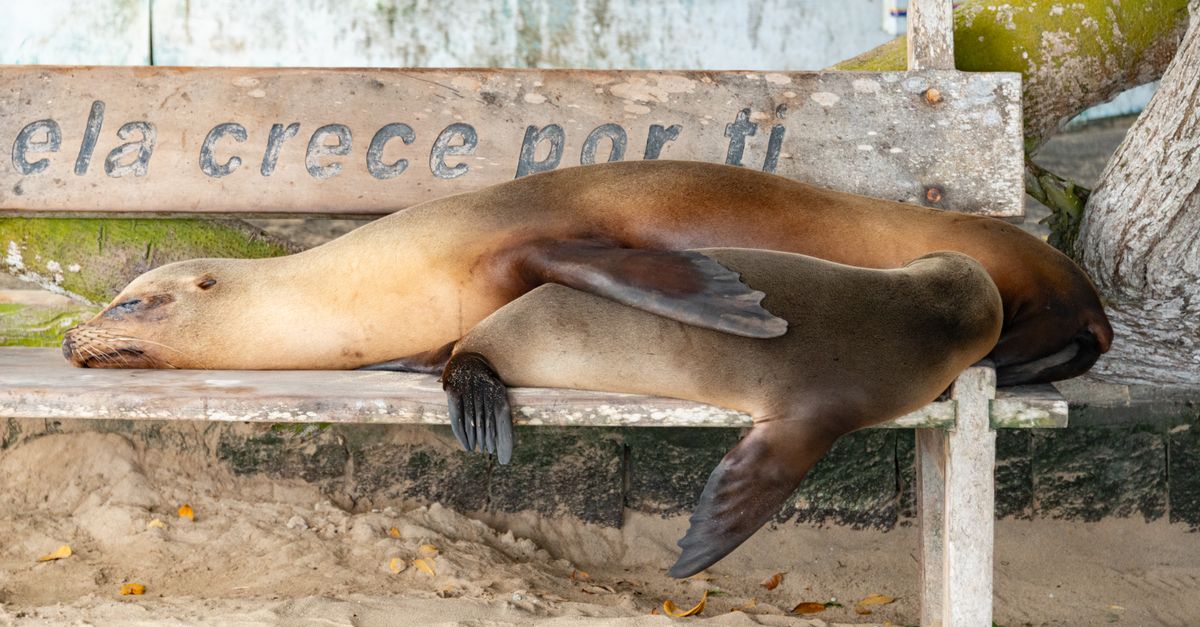
Rules That Keep The Wildlife Wild
The Galapagos does not work as a free-roaming theme park. The Galapagos Conservancy park rules summarize the core responsibilities clearly: protected areas require an authorized naturalist guide, tours and boats must be authorized, visitors remain on marked trails, and wildlife distance is at least six feet, or two meters, even when animals approach. Those rules are not decorative. They are part of why the islands still feel astonishing.
For a traveler, this changes how to plan. Some town-adjacent sites are independently accessible, but many of the experiences people dream about require an authorized guide or operator. Do not assume that because a place appears on a map you can simply walk into it. Do not touch animals, feed animals, block their path for a photograph, use flash on wildlife, or treat a relaxed animal as consent to get closer. If the guide asks the group to move back, move back.
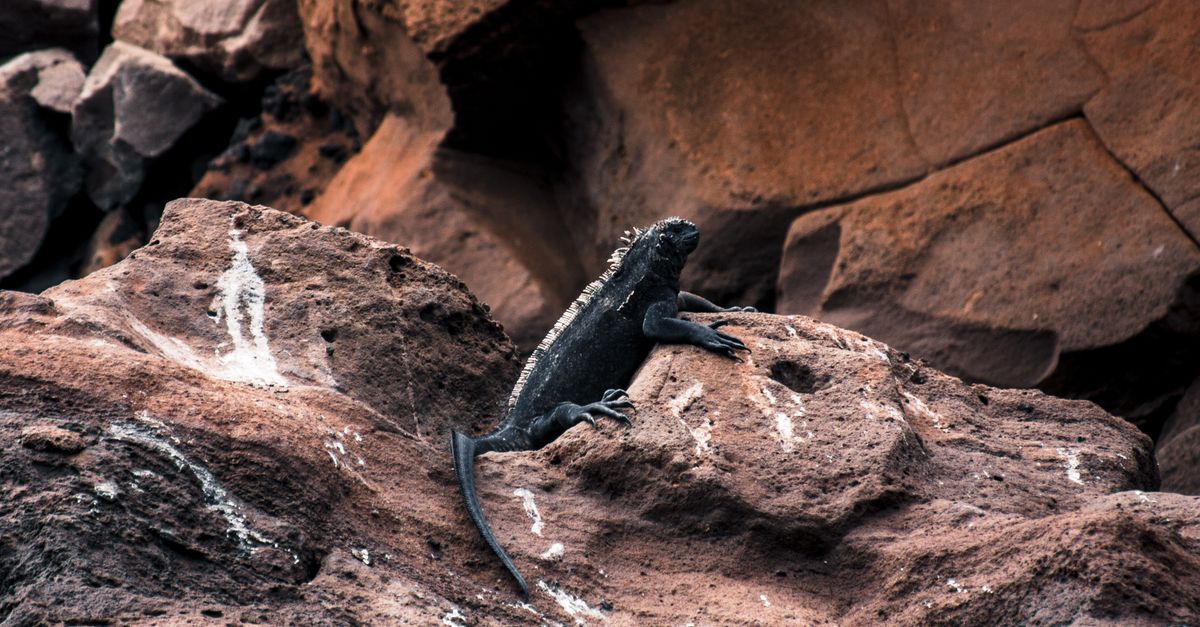
The reward for restraint is a better trip. Animals that are not crowded can keep acting naturally. A sea lion sleeping on a bench, an iguana crossing a path, or a tortoise moving through grass becomes more powerful when the traveler is not trying to dominate the scene. The best Galapagos photos often come from patience, not proximity.
Worked Example: Choosing The Island Order
Take the example of two travelers with 10 nights available including the mainland buffer. One wants the most wildlife possible, the other gets seasick and dislikes changing hotels. The default mistake would be to chase five islands and three long day trips because the names look impressive. The better choice is to protect fewer moves: one mainland arrival night, three Santa Cruz nights, three Isabela nights, three San Cristobal nights, and one mainland exit night if the international flight requires it.
In that worked comparison, Santa Cruz goes first because it is forgiving and rich in logistics. Isabela stays in the middle because three nights reduce the pressure on the water day and give the seasick traveler a land-based volcano or wetlands alternative. San Cristobal goes last because the airport is close and the final wildlife days can be excellent without requiring a return to Puerto Ayora. The route is not trying to win a map contest. It is matching the island order to the weakest points in the actual trip: transfers, water comfort, tour availability, and exit timing.
The same logic works for luxury travelers, families, solo travelers, and photographers. Start with the likely breaking points, then choose the route that protects them. If your breaking point is budget, reduce premium tours and keep the three-island base. If your breaking point is motion, reduce boat days and consider a cruise only if the vessel and route suit you. If your breaking point is photography, protect dawn and late-afternoon light rather than packing the middle of every day.
Adjustments For Families, Photographers, Divers, And Luxury Trips
Families may want fewer early mornings and more independent beach or town time. In that case, keep the same island order but reduce the number of long boat days. Make Santa Cruz highlands, an easier Santa Cruz bay plan, Isabela beach and wetlands, and San Cristobal town wildlife the backbone. Children often remember sea lions, tortoises, and simple water moments more than a famous island name reached after a rough ride.
Photographers may want to adjust the day-trip choices more than the island order. Ask operators about landing time, light, time on site, and how much of the tour is spent in transit. Do not overload the route with every possible subject. The Galapagos rewards attention: one patient hour with blue-footed boobies, marine iguanas, sea lions, or tortoises can produce stronger images than a rushed sampler of five places.
Certified divers may want a specialized version with fewer general snorkeling days and more operator-led dive planning, especially around San Cristobal or Santa Cruz. Luxury travelers may swap guesthouses for lodges, private transfers where possible, and a cruise segment for remote access. Neither version changes the core truth: the route should protect the island order, the transfer margin, and the official conservation framework before it chases extras.
What To Verify Before You Book
Verify current travel guidance before committing money. U.S. travelers can review the U.S. State Department Ecuador travel advisory, especially because most routes pass through mainland Ecuador, and the CDC Ecuador traveler health page for health preparation. Travelers from other countries should use their own government guidance as well. The Galapagos is extraordinary, but it is still international travel with changing conditions, flights, rules, and personal suitability questions.
Also verify the current TCT process, the conservation fee payment method, baggage rules on domestic and inter-island flights, inter-island boat schedules, tour operator authorization, wetsuit availability, cancellation terms, and whether your chosen visitor sites require a guide. If a tour, hotel, or transfer is essential to the trip, get the details in writing and save them offline.
- Route: Baltra in and San Cristobal out, or a reason to choose a different order.
- Fees: current TCT, conservation entry fee, payment method, and cash needs.
- Tours: authorized operator, meeting time, water difficulty, cancellation terms, and what happens in poor conditions.
- Lodging: pier distance, breakfast timing, luggage help, payment rules, and transfer support.
- Health and comfort: motion sensitivity, water confidence, heat tolerance, sun exposure, and walking difficulty.
- Exit plan: enough mainland margin before any long-haul flight.
A Galapagos Trip That Leaves Room For Wonder
A strong 10-day Galapagos itinerary has to do two things at once. It has to be practical enough to survive the real trip, and spacious enough to let the islands feel alive. The plan above is deliberately not a race. It gives Santa Cruz the first orientation days, Isabela the slow middle, and San Cristobal the wildlife-rich finish. It includes the famous experiences without pretending that famous is the same as guaranteed.
Use the route as a backbone, then adjust the details around season, sea comfort, budget, and the people actually traveling. Book the key anchors, respect the park rules, leave transfer margin, and let some afternoons stay open. The Galapagos is one of the rare places where doing a little less can make the trip feel much bigger.